
No, a foreigner cannot buy freehold land in Bali. Freehold in Indonesia is Hak Milik, and the Basic Agrarian Law (Law No. 5/1960) reserves it for Indonesian citizens. Foreigners have three legal routes instead: a leasehold (Hak Sewa), usually 25–30 years with a renewal option written into the deed; Hak Pakai, a registered right of use for a home, open to foreigners who hold valid Indonesian immigration documents (a visa, passport or stay permit); and Hak Guna Bangunan (HGB) held by a foreign-owned Indonesian company, a PT PMA. Nominee deals, where an Indonesian friend holds the Hak Milik "for you", are void by law. The land can fall to the State, and the money you paid cannot be claimed back.

Freehold vs leasehold vs HGB vs Hak Pakai at a glance
| Freehold (Hak Milik) | Leasehold (Hak Sewa) | HGB via PT PMA | Hak Pakai | |
|---|---|---|---|---|
| Who can hold it | Indonesian citizens only | Indonesians and foreigners (a contract, not a registered title) | Indonesian companies, including a foreign-owned PT PMA | Foreigners with Indonesian immigration documents; Indonesian entities |
| Term | Permanent | Set by contract: typically 25–30 years, plus 20–25 years if renewal is written in | Up to 30 + 20 + 30 years on state land; up to 30 years on someone's Hak Milik, renewable by a new deed | Up to 30 + 20 + 30 years on state land; up to 30 years on someone's Hak Milik, renewable by a new deed |
| What you actually hold | Land certificate (SHM) | Notarised lease; the landowner keeps the SHM | BPN certificate in the company's name; you own the shares | BPN-registered right, or a PPAT deed granting Hak Pakai over the owner's Hak Milik |
| Running a rental business | Not available to foreigners | Possible, but business licensing is a separate question | Built for commercial use with the right business classification | Limited to residential use; not a rental-business structure |
| Resale | Not available to foreigners | Sell the remaining term; hard below about 15 years left | Sell company shares or the HGB; wider buyer pool | Transferable and inheritable to eligible holders |
| Typical fit | Indonesian buyers | Most single-villa buyers and holiday homes | Rental businesses and higher-value villas | Foreigners buying a home to live in |
Terms are legal maximums, not guarantees. Every extension or renewal needs approval, and you have to stay eligible.
Research note: the prices and portfolio figures on this page are historical Solar Property data recorded before the villa-management handover to Vsemdom on 1 June 2026. This page is buyer research. It is not legal advice and not an offer to manage villas. Have an independent Indonesian lawyer or PPAT review any specific deal.
Investor next step: comparing villas already? Check each listing's title type on the properties for sale board, and use the Bali villa investment research page to judge whether the numbers hold up.
What "freehold" and "leasehold" mean in Bali
Agents use English terms, but the deed will name an Indonesian title. Here is how they map:
- Freehold = Hak Milik (certificate: SHM, Sertifikat Hak Milik). The strongest title: permanent, inheritable and freely tradeable, but only between Indonesian citizens.
- Leasehold = Hak Sewa. A contract with the Hak Milik owner that gives you the right to use and build on the land for a fixed term. The owner keeps the certificate. Your protection is the notarised lease, not a land title.
- HGB (Hak Guna Bangunan), the right to build. A registered title that Indonesian companies, including a PT PMA, can hold. It is often marketed as "freehold equivalent", but it has an expiry date.
- Hak Pakai, the right of use. A registered title that foreign individuals can hold for a home, within limits.
When a listing says "freehold" and the seller is dealing with a foreign buyer, ask exactly which title will end up in whose name. If the answer is "Hak Milik, in my cousin's name", walk away.
Why foreigners cannot hold freehold (Hak Milik)
Article 21 of the Agrarian Law limits Hak Milik to Indonesian citizens. Article 26(2) goes further: any sale, gift or other act meant to pass Hak Milik to a foreigner, directly or indirectly, is void by law. The land falls to the State, and payments already made cannot be recovered. That "indirectly" is what catches nominee arrangements.
In practice:
- Nominee land deals (an Indonesian holds the SHM, and a side agreement, loan deed or power of attorney says it is really yours) give you no enforceable ownership. The registered owner is the legal owner. A notarial deed does not fix this.
- Nominee shareholders in a company are also banned: Article 33 of the Investment Law (Law No. 25/2007) makes agreements to hold shares on someone else's behalf void.
- Inheritance or marriage does not open a back door either. A foreigner who gets Hak Milik this way has to dispose of it within one year, or it falls to the State (Article 21(3)).
- Permanent residents with a KITAP still cannot hold Hak Milik. Residency does not unlock freehold; the home route for foreigners is Hak Pakai.
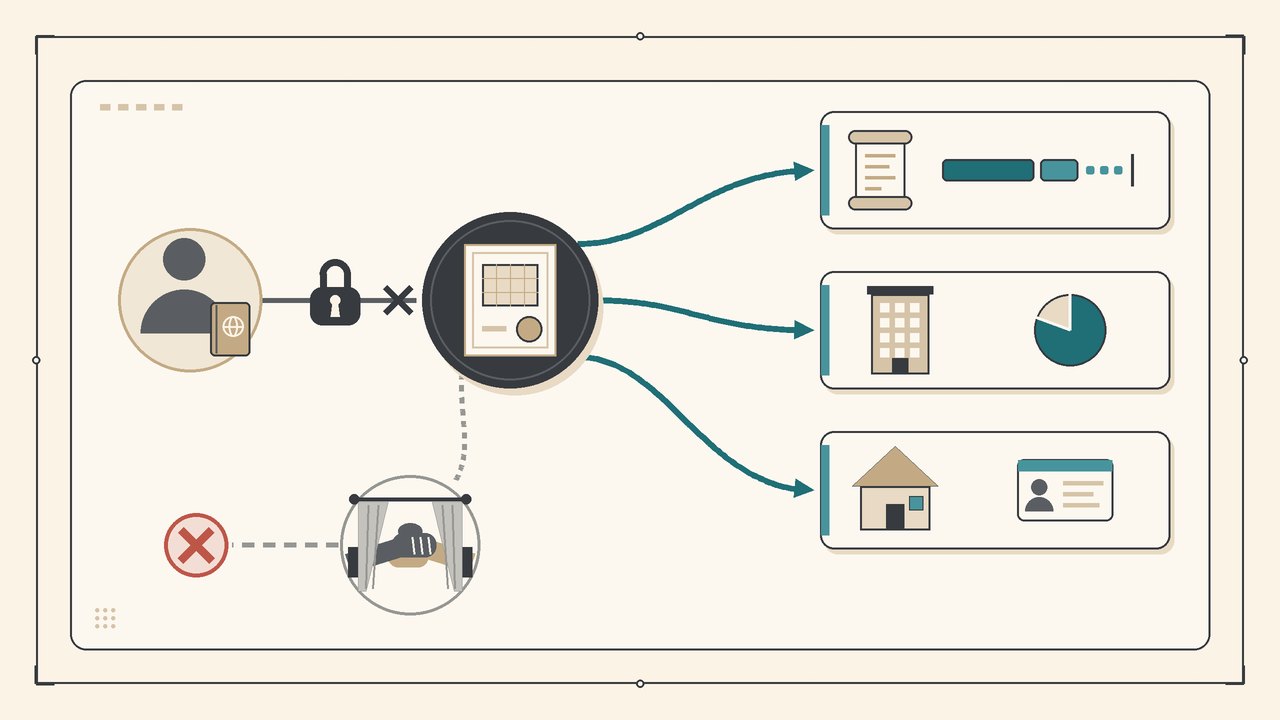
Leasehold (Hak Sewa): how Bali leases work in 2026
Most foreign villa buyers use leasehold. You sign a lease agreement (Perjanjian Sewa) with the Indonesian landowner, pay the full lease premium upfront at the notary, and get the right to use and build on the land for the agreed term. The landowner keeps the Hak Milik certificate throughout.
Typical terms on the Bali villa market:
- Base term: 25–30 years
- Renewal option: another 20–25 years, which only counts if it is written into the original notarised agreement
- Total effective tenure: about 45–55 years
- Payment: usually 100% of the lease premium at signing
- Renewal price: fixed at signing, or indexed to Indonesian inflation (CPI). Negotiate this hard.
Historical leasehold price benchmarks from the Solar Property portfolio (2025–2026):
| Area and villa | Lease price | Term |
|---|---|---|
| Ubud, rice-field view, 1 bedroom | IDR 2.5–4 billion (~$150,000–240,000) | 25 years |
| Canggu / Pererenan, 2 bedrooms with pool | IDR 5–9 billion (~$300,000–540,000) | 25–30 years |
| Seminyak, 3 bedrooms, premium finish | IDR 12–22 billion (~$720,000–1.3M) | 25–30 years |
The main risk is expiry without renewal. If the landowner or their heirs refuse to renew, the villa goes back with the land. Protect yourself in the deed:
- A written renewal obligation with a fixed duration and a price formula. "Of course we'll renew" has no legal weight.
- A clause letting you assign or sell the lease to a third party without the owner's consent, or with consent "not to be unreasonably withheld".
- Consent from all heirs if the land belongs to a family. One heir cannot sign for the rest.
- Clear permitted use, including rental, if you plan to earn income from the villa.
- Your own independent notary, not the seller's. A notarised deed is also far easier to resell than an unnotarised private agreement.
For the step-by-step buying process around a lease, see buy villa in Bali 2026.
Hak Pakai: the home-ownership route for foreigners
Hak Pakai is the closest thing to personal ownership that Indonesian law offers a foreigner. Under Government Regulation 18/2021, a foreigner with valid Indonesian immigration documents can own a house to live in. The house has to sit on Hak Pakai land, or on Hak Milik land where the owner grants you Hak Pakai by a PPAT deed. Foreigners can also own an apartment unit.
What to know before you rely on it:
- Term: on state land, up to 30 years, extendable by 20 and renewable by another 30. Hak Pakai granted over someone else's Hak Milik runs up to 30 years, and renewing it takes a new deed with that owner.
- Minimum price: in Bali, a ministerial decree (Kepmen ATR/BPN No. 1241/SK-HK.02/IX/2022) sets a floor of IDR 5 billion for a landed house and IDR 2 billion for an apartment unit bought by a foreigner, whether new or resale.
- Use: PP 18/2021 limits it to residential use, and limits on price, land area and the number of properties apply. It is not a structure for running a villa rental business: foreign investment in a business has to go through an Indonesian company, a PT PMA (Investment Law, Article 5(2)).
- Inheritance: it can pass to heirs, but a foreign heir also needs valid immigration documents.
The regulation's elucidation defines "immigration documents" as a visa, passport or stay permit, and in 2023 the land ministry (ATR/BPN) said a KITAS or KITAP is no longer required before buying. Practice at individual notaries and land offices can still differ, so confirm the document list with your PPAT before you pay a deposit. If you are buying a home rather than a rental asset, buy house in Bali 2026 covers that path.
HGB through a PT PMA: the company route, in brief
A PT PMA is an Indonesian company with foreign shareholders. As an Indonesian legal entity, it can hold HGB, a registered right-to-build title. You own the company's shares, not the land. HGB on state land runs up to 30 years, extendable by 20 and renewable by 30 (up to 80 years in total). HGB granted over a private owner's Hak Milik runs up to 30 years and can only be renewed by a new deed with that owner.
HGB is not freehold, because it expires and depends on the company staying compliant. What it gives you is a registered title, a structure designed for commercial rental, and an exit by selling shares or the HGB. The cost is ongoing: our PT PMA guide puts one-time setup at about USD 1,600–4,500 and annual compliance (accounting, tax filing, investment reporting) at about USD 2,500–5,800.
We keep this section short on purpose. Business classification (KBLI), capital, registration steps and tax are covered in the PT PMA Bali villa ownership guide.
Leasehold vs PT PMA on a $400,000 villa: what changes
Take a 2-bedroom Canggu villa at IDR 6.5 billion (~$400,000):
| Leasehold | PT PMA + HGB | |
|---|---|---|
| Setup | Notary fee of about IDR 5–15 million ($300–900), plus independent legal review | About USD 1,600–4,500 to set up the company, plus legal work on the land |
| Yearly overhead | No company compliance | About USD 2,500–5,800, roughly 0.6–1.5% of the price each year |
| What you hold | A contract with the landowner | Shares in a company that holds a registered title |
| Exit | Sell the remaining lease; buyers get scarce below about 15 years left | Sell shares or the HGB; both local and foreign buyers can take part; share transfers take about 30–90 days with lawyers |
In Solar Property's historical dataset of 16 villas, about 60% were held under leasehold and 40% through a PT PMA. The split followed price: leasehold for mid-range villas ($150,000–450,000) and PT PMA for premium ones ($500,000+), where title security and exit flexibility justify the yearly overhead. For return expectations, see the Bali villa investment guide.
Which route fits you?
- Holiday home, one villa, no rental business: leasehold with strong renewal and assignment clauses is usually enough.
- You want a Bali home to live in, not a rental business: look at Hak Pakai, if the property clears the Bali minimum price.
- You want to rent the villa out as a business, or hold more than one: start with a PT PMA holding HGB, and budget for compliance from day one.
- Someone offers "freehold in a local's name": don't. It is a nominee structure, and the law voids it.
The national rules behind all of this are the same across Indonesia; see can foreigners buy property in Indonesia. For how they play out on Bali villa deals, including common myths, read can foreigners buy property in Bali.
Checks before you sign, whatever the title
- BPN title check. Get the certificate number and verify it at the local land office (Kantor Pertanahan). The registered name should match the seller's ID card (KTP). Look for mortgages (Hak Tanggungan), dispute notes or court orders.
- Zoning. Villas belong in tourism or residential zones. Builds on green-zone (agricultural) land have faced demolition orders.
- Building approval and use. Check the PBG (or legacy IMB) and SLF, and whether the approved use matches how the villa will run. See the PBG and SLF due-diligence guide.
- Heirs' consent. For family-owned land, all heirs sign an heirs' declaration (Surat Pernyataan Ahli Waris).
- Independent notary or PPAT. Hire your own. The standard fee for a leasehold transaction is about IDR 5–15 million ($300–900).
The full list is in the Bali villas for sale due-diligence checklist.
Frequently asked questions
Can a foreigner buy freehold land in Bali?
No. Freehold (Hak Milik) is reserved for Indonesian citizens under the Basic Agrarian Law (Law No. 5/1960). Foreigners can use a leasehold (Hak Sewa), Hak Pakai for a home if they hold valid Indonesian immigration documents, or HGB held through a foreign-owned PT PMA company.
What is the difference between leasehold and freehold in Bali?
Freehold (Hak Milik) is permanent ownership of the land, registered on a certificate, and only Indonesians can hold it. Leasehold (Hak Sewa) is a contract with the freehold owner that lets you use and build on the land for a fixed term, typically 25–30 years plus any renewal written into the deed. The owner keeps the certificate.
How long is a leasehold in Bali, and can it be extended?
Most villa leases run 25–30 years, with a renewal option of 20–25 years that gives about 45–55 years in total. A renewal only counts if it is written into the notarised lease with a set duration and price formula. A verbal promise has no legal weight.
Can a foreigner own a house in Bali, and is a KITAS needed?
Yes, through Hak Pakai rather than freehold. PP 18/2021 lets a foreigner with valid immigration documents (a visa, passport or stay permit) own a house to live in on Hak Pakai land, or on Hak Milik land where the owner grants Hak Pakai by a PPAT deed. ATR/BPN said in 2023 that a KITAS or KITAP is no longer required first, but confirm current practice with your PPAT. In Bali the minimum price is IDR 5 billion for a landed house and IDR 2 billion for an apartment unit.
Is a nominee agreement legal in Bali?
No. Under Article 26(2) of the Agrarian Law, any arrangement that passes Hak Milik to a foreigner directly or indirectly is void, the land falls to the State, and payments cannot be recovered. Nominee shareholder agreements are also void under Article 33 of the Investment Law (Law No. 25/2007).
Is HGB through a PT PMA the same as freehold?
No. HGB is a registered right to build that a PT PMA company can hold. On state land it runs up to 30 + 20 + 30 years, and on private Hak Milik land up to 30 years, renewable by a new deed. You own shares in the company, not the land, and the company has yearly compliance costs.
What happens when a Bali leasehold expires?
If the lease has no written renewal right, or the owner refuses to renew, the land and the villa on it go back to the landowner. That is why the renewal clause, the price formula and the right to sell the lease on matter more than almost anything else in the deed.
Choosing a structure for a Bali villa?
Tell us the area, the budget and whether you plan to live in the villa or rent it out, and we will walk through which title fits before you commit.